
Is Your Dog’s Flea Treatment Missing This Crucial Ingredient?

Protecting your dog from fleas and ticks is crucial for its health and comfort. These pests can cause severe itching, allergic reactions, and even transmit diseases. The best flea and tick prevention for dogs includes chewable, topical, and shampoo products. Each type has pros and cons, so choosing the right one for your dog’s needs is essential.

Chewable tablets like Simparica Trio offer convenience and effectiveness, protecting against multiple parasites with a single dose. Topical treatments provide another reliable option, often marketed for their ease of use and rapid action. For a quick fix, flea and tick shampoos can help manage infestations but may need to be used in conjunction with other treatments for long-term prevention.
Selecting the best product depends on your dog’s age, health, and lifestyle. Whether you prefer the ease of chewable or the thoroughness of topicals, numerous options are available to ensure your dog remains pest-free and healthy year-round.
Understanding Fleas and Ticks

Fleas and ticks are tiny parasites that can cause significant discomfort and health issues for your dog. Knowing their lifecycle and when they are most active can help in effective prevention and control.
Lifecycle and Risks
Fleas and ticks go through several stages in their lifecycles. Fleas start as eggs laid by adult fleas on your dog or in the environment. These eggs hatch into larvae, which then develop into pupae. Finally, they emerge as adults. Adult fleas feed on your pet’s blood, causing itching and red bumps.
Ticks have four stages: egg, larva, nymph, and adult. Each stage requires a blood meal to progress. They can attach to your dog for several days and feed on blood. Ticks can transmit serious illnesses like Lyme disease and Rocky Mountain spotted fever.
Both fleas and ticks can lead to skin infections and anemia. Anemia occurs when there are not enough red blood cells, making your dog tired and weak. Some dogs may even have allergic reactions to flea bites, causing intense itching and discomfort.
Seasonal Activity
Both fleas and ticks have peak seasons. Fleas thrive in warm, humid environments and are most active from spring through early fall. During these times, you might see more flea activity on your dog and in your home. Watch for increased scratching or visible flea dirt resembling tiny black specks.
Ticks are more active in warmer months but can be found year-round in certain areas. They tend to be in grassy, wooded, or bushy areas. During the peak seasons, it’s crucial to check your dog regularly, especially after walks in tick-prone areas.
Knowing the seasonal activity of these parasites can help you stay vigilant and take timely preventive measures to protect your dog from these pests.
Types of Prevention
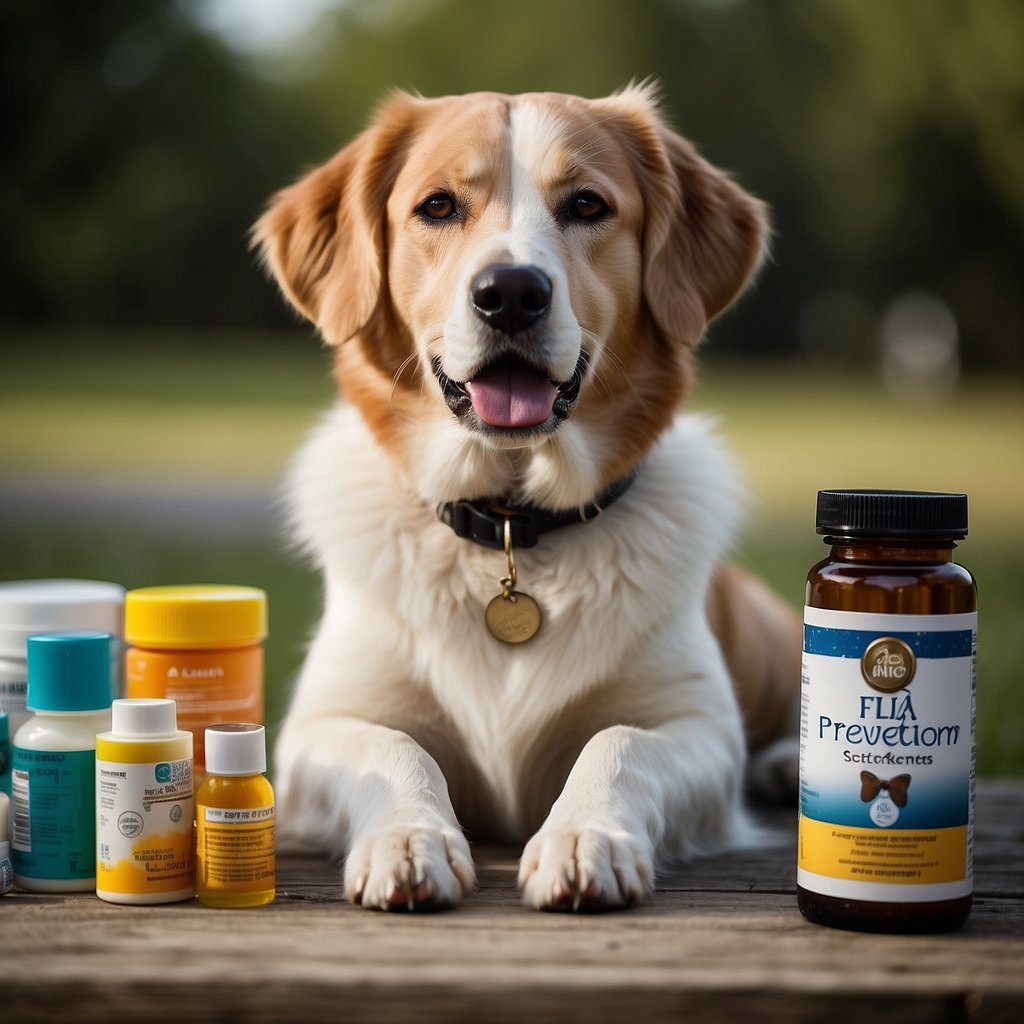
It is important to know the different methods available for flea and tick prevention for your dog. Each type has unique advantages and may suit different needs depending on your dog’s lifestyle and health.
Topical Treatments
Topical treatments are liquid medications applied directly to your dog’s skin, usually between the shoulder blades. These treatments kill fleas and ticks on contact. Some popular brands include Frontline Plus and Advantage II.
Topical treatments are often recommended for dogs that spend much time outdoors. They are water-resistant, so regular baths or swimming won’t reduce their effectiveness. However, you should avoid petting the treated area until it’s dry.
Re-application is usually required monthly. These treatments are effective but should be used with caution on very young or sensitive dogs. Always follow the dosing instructions to prevent any adverse reactions.
Oral Medications
Oral medications come in chewable or pill form and are ingested by your dog. Popular options like Simparica Trio offer all-in-one protection against fleas, ticks, and worms.
These medications are convenient and often flavored to appeal to dogs, making them easy to administer. They start working quickly, usually within a few hours, and protection lasts about a month.
While oral medications are highly effective, they require a vet’s prescription. To avoid any health issues, choosing a product suited to your dog’s weight and age is essential.
Collars
Flea and tick collars, such as the Seresto collar, provide long-term protection, usually lasting up to eight months. These collars release active ingredients over time, repelling and killing fleas and ticks.
Collars are a convenient option, especially for dogs that dislike topical or oral treatments. They are water-resistant, though frequent swimming might reduce their efficacy over time.
One downside is that some dogs may find collars uncomfortable. Ensure the collar fits snugly, with just enough room for two fingers underneath. Also, always check for any signs of skin irritation regularly.
Sprays and Powders
Sprays and powders offer an alternative method for flea and tick prevention. These products can be used on your dog’s coat or in your home to eliminate pests. Sprays allow targeted application, while powders can be sprinkled over larger areas.
These treatments often need to be reapplied every few days or weeks. They are more time-consuming than other methods but can be effective for immediate, short-term relief.
Sprays and powders may also contain natural ingredients, making them a choice for pet owners concerned about chemicals. Ensure you follow application instructions carefully to avoid overuse and potential harm to your dog.
Factors to Consider When Choosing a Preventive

Several factors should be considered when choosing flea and tick prevention for your dog. These include the dog’s age and health, living environment and lifestyle, and the effectiveness and duration of the treatment.
Dog’s Age and Health
Your dog’s age and health status are crucial in selecting the proper prevention. Puppies and senior dogs have different needs than adult dogs. Gentle options like flea and tick shampoos might be safer for young puppies. Senior dogs with health issues may require vet-recommended preventives to avoid adverse effects.
A mild topical treatment or oral medication might be better if your dog has allergies or skin sensitivity. Some flea and tick preventives also offer extra benefits, such as heartworm prevention, which could be helpful if your dog is prone to these problems.
Environment and Lifestyle
Where you live and your dog’s daily activities significantly influence the choice of preventative. If you live in an area with a high tick population, such as near wooded areas, consider using effective products against various tick types, like Bravecto.
Dogs that spend much time outdoors might need heavy-duty protection, such as a Seresto Flea and Tick Collar, which provides long-lasting coverage. On the other hand, for primarily indoor dogs, a less intense yet effective treatment might suffice.
Effectiveness and Duration
The effectiveness and duration of the preventive are critical. Some preventives offer monthly protection, making them convenient but requiring regular administration. For instance, K9 Advantix II is a popular topical option requiring a monthly application. Others, like Bravecto, offer longer-lasting protection, extending up to three months, reducing the frequency of treatments.
When choosing a preventive, consider how quickly the product works and how effective it is against different parasites. Some products kill fleas and ticks on contact, while others may need the parasites to bite first. Choose a product that fits your dog’s lifestyle and needs.
Application and Safety
Choosing and applying flea and tick preventatives for dogs requires careful consideration of proper dosage and usage and awareness of potential side effects.
Proper Dosage and Usage
Proper dosage is vital to ensure effectiveness and prevent harm. Products like Simparica Trio are safe for puppies as young as eight weeks old and weighing at least 2.8 pounds, so following the vet’s prescription is crucial. Topical treatments like Vectra 3D Flea & Tick Spot Treatment, which become waterproof 24 hours after application, should be applied directly to the dog’s skin, not fur, to ensure absorption.
Do not give flea and tick medications more often than recommended. Monthly doses are ordinary but always check the product guidelines. Ensure they’re snug but not too tight when using collars like the Seresto Flea and Tick Collar. Usually, two fingers should fit between the collar and the dog’s neck.
Possible Side Effects
Side effects can vary by product and dog. Common reactions include skin irritation, redness, and itching at the application site. Ingestible medications like Simparica Trio may cause vomiting or diarrhea in some dogs, so monitor your pet after administering.
Severe side effects are rare but possible. They can include seizures, lethargy, or intense scratching. If these occur, contact your vet immediately. Due to safety concerns, products like the Seresto Flea & Tick Prevention Collars are currently under evaluation by the U.S. Environmental Protection Agency, so stay informed about ongoing research and consult your vet for safer alternatives.
Choosing and using the right flea and tick prevention product can help keep your dog healthy and happy.
Natural and Alternative Solutions
Safe and eco-friendly natural methods, including herbal remedies and dietary supplements, can effectively prevent fleas and ticks for dogs.
Herbal Remedies
Herbal remedies can help keep fleas and ticks away from your dog. Apple cider vinegar is a popular choice. You can dilute it with water and spray it on your dog’s coat. Its strong smell and acidity help repel fleas.
Neem oil is another effective option. It has natural insect-repelling properties. Mix it with water, apply it to your dog’s fur, or use it as a shampoo additive.
Cedar oil and lavender essential oil are also good choices. Cedar oil acts as a natural flea repellent, while lavender provides a calming effect besides being a flea deterrent. Always remember to dilute essential oils properly before applying them to avoid irritation.
Dietary Supplements
Dietary changes can improve your dog’s overall health and help with flea and tick prevention. Adding a bit of garlic to your dog’s food can make their blood less appealing to fleas. However, using garlic in small, controlled amounts is crucial, as large quantities can be toxic to dogs.
Brewer’s yeast is another helpful supplement. Mixed into your dog’s food, it helps repel fleas due to the sulfur compounds.
Omega-3 fatty acids, commonly found in fish oil, benefit your dog’s skin and coat, making it less attractive to ticks and fleas. Regular use can result in a shinier coat and less scratching.
These simple dietary additions can make a significant difference in keeping your dog flea and tick-free naturally. Join Us

Elizabeth Redd has been in Washington, D. C. since 1970. Welcome to "Pooch Wellness Path," your trusted guide to enhancing the well-being of your cherished furry friends. At the heart of our community lies a commitment to holistic wellness, combining comprehensive care with unconditional love.
We're here to offer you the latest nutrition, fitness, mental health, and preventive measures, lighting the way to peak health for your pet. Dive into our thriving network of dog lovers, where the happiness of our companions takes center stage.
We're all about sharing groundbreaking wellness tips and nurturing an environment where every dog thrives. Step into Pooch Wellness Path, where each joyful bark and wag is a testament to thriving health.

