Is Your Pet Prepared for the Worst? Discover How to Plan for Any Emergency!

When emergencies strike, the safety of your pets is just as important as your own. Being prepared with a solid plan can make all the difference during a crisis. From natural disasters like hurricanes and floods to unexpected situations at home, knowing how to protect your furry friends is essential.
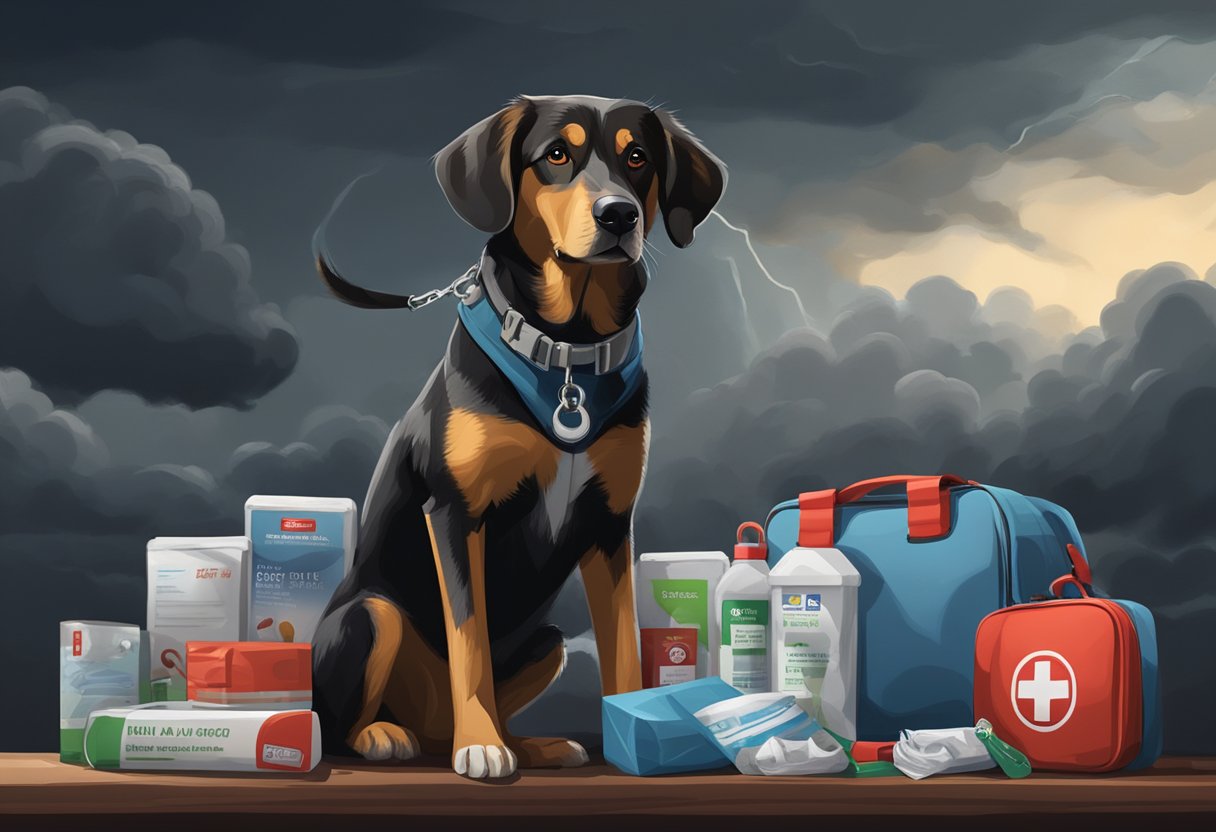
Creating an emergency kit for your pets is a crucial step in planning. This kit should include food, water, medical supplies, and other necessities to help your pets during stressful times. Understanding the specifics of keeping your pets calm and safe will equip you to handle emergencies more effectively.
Your pets rely on you for their safety, and preparing for the unexpected ensures you can provide for them when it matters most. The following guide will provide essential strategies and supplies to help you confidently handle pet emergencies and natural disasters.
Recognizing Pet Emergencies
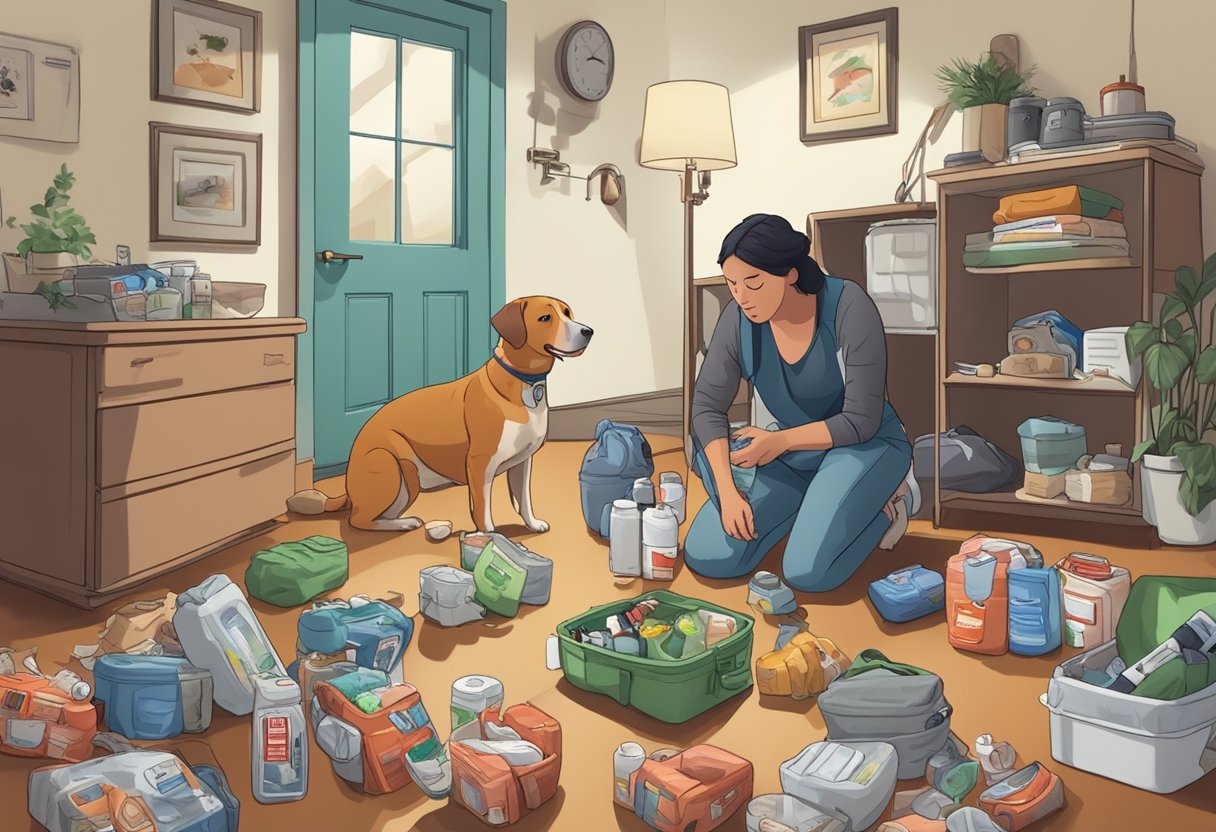
Spotting changes in your pet’s behavior can make a big difference during emergencies. Knowing the signs of distress and when to get help is crucial for your pet’s health.
Understanding Pet Behavior Changes
Pets often communicate through their behavior. Sudden changes may indicate a problem. For instance, if your dog is usually social but suddenly hides, it could signal distress.
Look for these changes:
- Withdrawal: Your pet avoids interaction.
- Aggression: Sudden growling or biting can point to pain or fear.
- Restlessness: Pacing or inability to settle can mean anxiety or discomfort.
These signs are essential to notice. Understanding these behaviors can alert you to potential health issues.
Identifying Signs of Distress and Illness
Recognizing the physical signs of distress is vital. Some common symptoms include:
- Vomiting or Diarrhea: These can suggest serious issues if persistent.
- Lethargy: If your pet is unusually tired or inactive, it might need help.
- Labored Breathing: Difficulty breathing requires immediate attention.
Watch for changes in eating habits, too. If your pet refuses food for more than 24 hours, consult a vet. Any unusual symptoms should be taken seriously.
When to Seek Immediate Veterinary Attention
Knowing when to act can save your pet’s life. Contact your vet or an emergency clinic if you notice:
- Uncontrolled bleeding: This can be life-threatening.
- Seizures: If your pet has a seizure lasting longer than a few minutes.
- Injuries: A bad fall or being hit by a car requires urgent care.
Always err on the side of caution. If you’re unsure but worried, seeking professional help is better. Quick action can make all the difference in an emergency.
Preparation for Natural Disasters
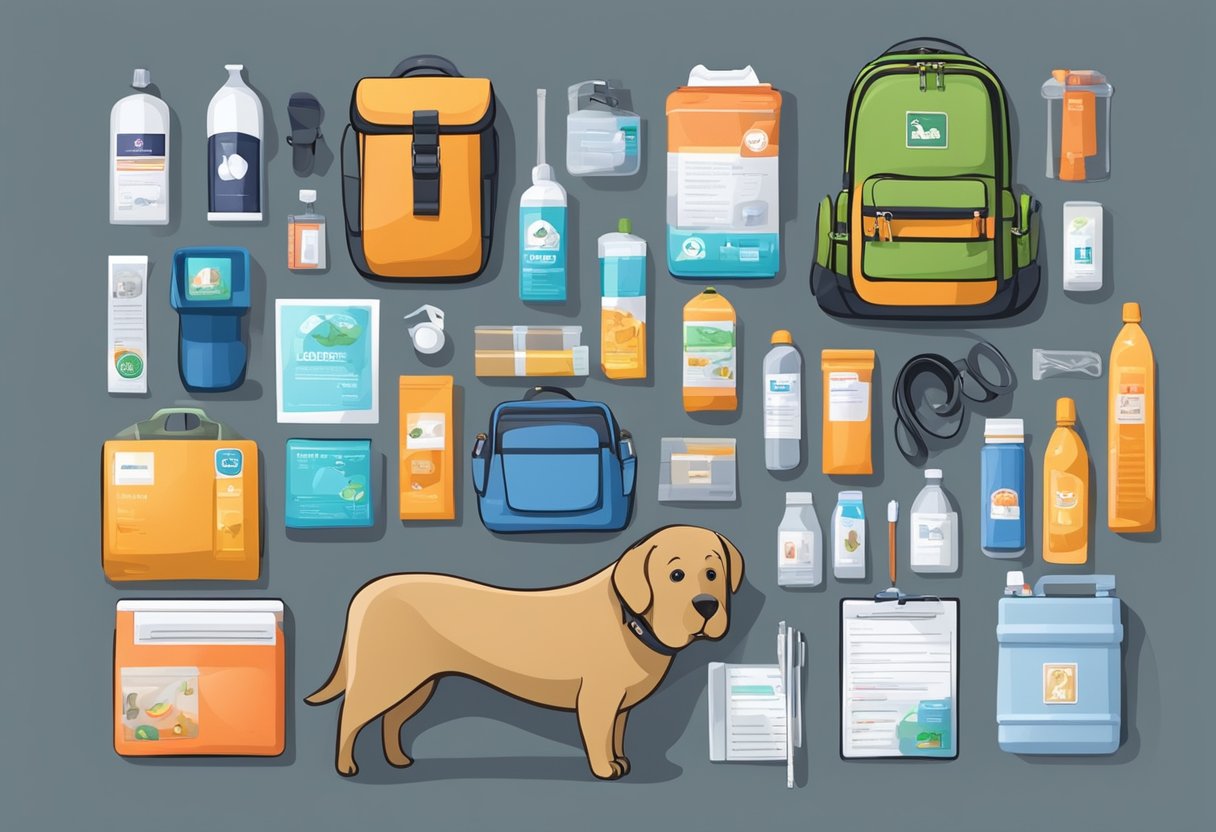
Preparing for natural disasters means ensuring your pets are safe and cared for. This involves having emergency kits, evacuation plans, and securing your home.
Emergency Kits for Pets
An emergency kit is crucial for your pet’s safety during a disaster. Start with a sturdy, waterproof container to store essential items.
Include the following in your kit:
- Food and Water: Pack at least a three-day food supply in airtight containers. Don’t forget a water bowl and enough water for you and your pet.
- Medications: Keep extra supplies of any medications your pet takes. Store them in a waterproof container.
- First Aid Kit: Equip it with bandages, antiseptics, and any specific supplies your pet might need. Include a pet first aid book for guidance.
- Identification: You should have a recent photo of your pet and copies of their vaccination records. Tags with your contact information are also essential.
Pet-Friendly Evacuation Plans
Create a clear evacuation plan that includes your pets. Many shelters do not allow pets, so knowing your options is vital.
- Identify Safe Locations: Research pet-friendly hotels and shelters in advance. Please make a list and keep it handy.
- Buddy System: Connect with neighbors or friends who can help care for your pets if you cannot. Establish a plan to ensure pets get evacuated safely.
- Transportation: Ensure you have a secure pet carrier, leash, and harness ready. Your pet should be familiar with these items to reduce stress.
Securing Your Home and Pet Safety
Securing your home can help keep your pet safe during a disaster. First, assess your home for hazards.
- Safety Checks: Ensure that windows and doors are secure and that any dangerous items are packed away.
- Safe Spaces: Create a designated safe area in your home where your pet can go during emergencies. This should be away from windows and doors.
- Keep Supplies Accessible: Place your emergency kit near your pet’s safe area. Ensure all family members know where the kit is located.
Following these tips can help ensure your pet’s safety during natural disasters.
First-Aid Fundamentals for Pets
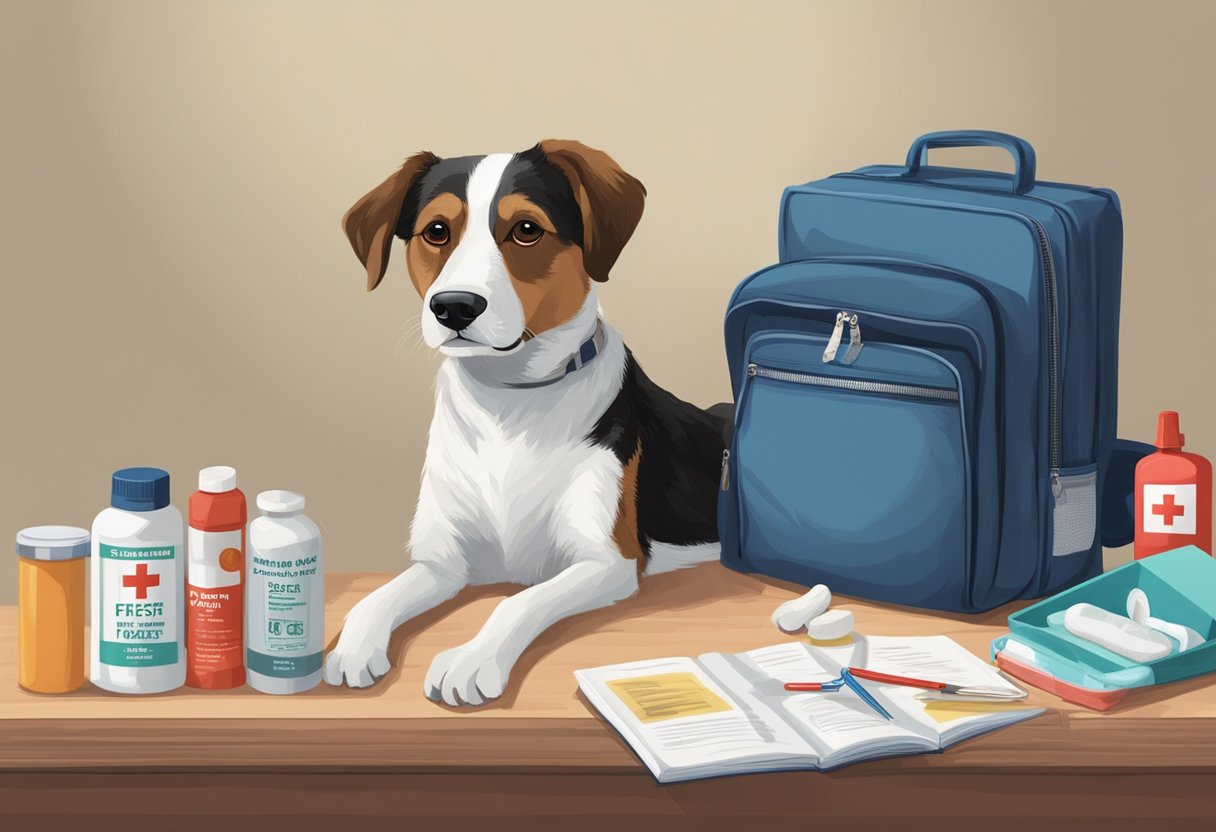
Being prepared for pet emergencies means knowing how to respond quickly and effectively. A well-stocked first-aid kit and an understanding of basic procedures can make a big difference in your pet’s safety during a crisis.
Assembling a Pet First-Aid Kit
Creating a pet first-aid kit is crucial for emergencies. Start with essential items such as:
- Gauze pads and rolls: For wrapping wounds.
- Adhesive tape: To secure bandages.
- Non-stick bandages: To protect open wounds.
- Tweezers and scissors: These are used to remove splinters and cut bandage material.
- Ice or heat packs: To manage swelling or pain.
It’s also smart to include a spare leash and collar, clean towels, and a muzzle for safety. Ensure everything is stored in a waterproof container and regularly check for expired items. Having this kit ready helps you respond quickly when it matters most.
Basic First-Aid Procedures
Knowing basic first-aid steps can protect your pet’s health. Here are some essential procedures to follow:
- Control bleeding: Apply pressure with a clean cloth or gauze. If bleeding doesn’t stop, use a bandage and keep pressure.
- Treat choking: Check their mouth for obstructions if your pet is choking. If you can’t see anything, perform a Heimlich maneuver.
- Manage burns: Cool the burn with running water for at least 10 minutes. Cover it with a non-stick bandage to prevent infection.
- Provide CPR: For unresponsive pets not breathing, begin CPR. Push down on the chest while keeping the airway open.
Having these first-aid skills ready gives you confidence during emergencies.
Handling Specific Emergencies
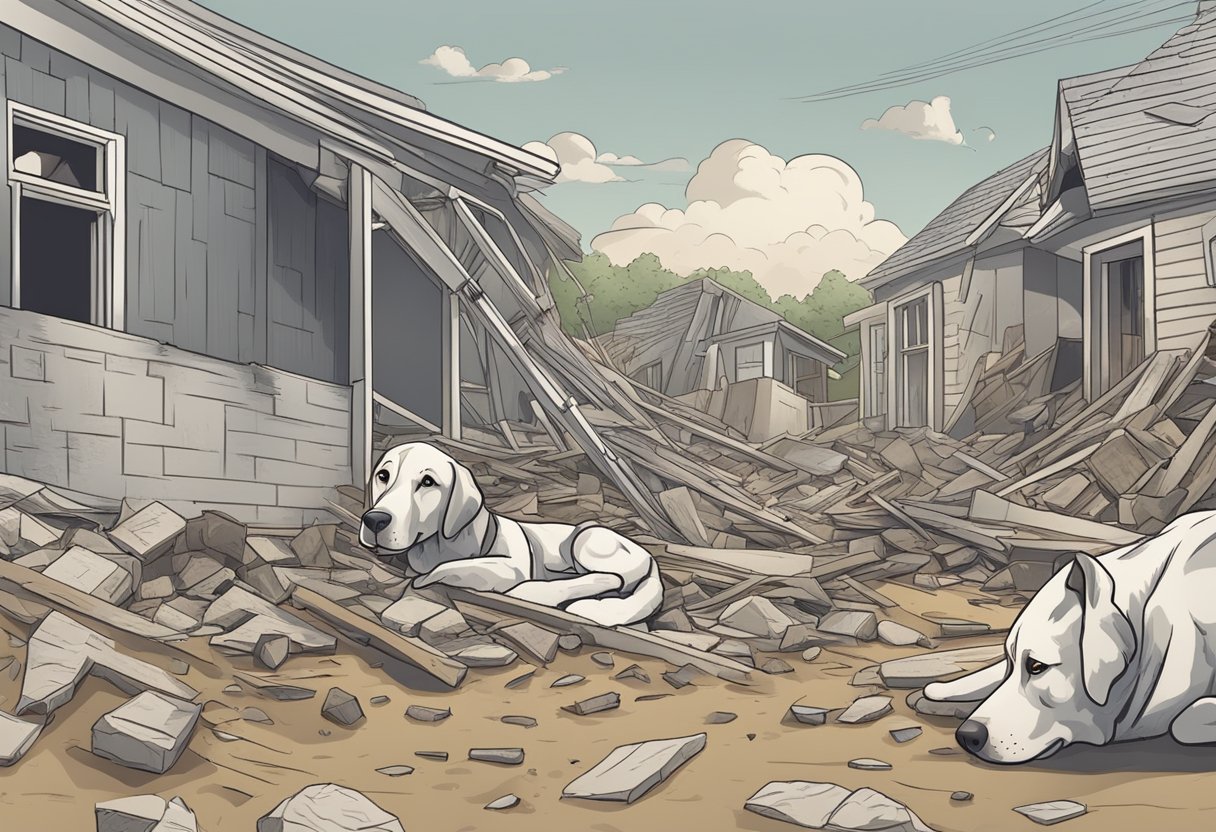
Being prepared for specific emergencies involving your pet is crucial. Knowing how to react in these situations can save their life. Here are some common emergencies and how to handle them effectively.
Dealing with Poisoning
If you suspect your pet has ingested a toxic substance, act quickly. Common signs of poisoning include vomiting, diarrhea, lethargy, and seizures.
- Identify the Poison: Try to determine what your pet consumed. If possible, take the container or a sample to the vet.
- Contact Your Veterinarian: Call your vet immediately. They may instruct you to bring your pet in or induce vomiting.
- Follow Instructions Carefully: Only induce vomiting if your vet advises it. Some substances can cause more harm if vomited.
List common toxins, such as chocolate, grapes, and certain household cleaners, to avoid exposure.
Injury Management
Injuries can happen unexpectedly. Knowing how to manage wounds or fractures is essential.
- Stay Calm: Your pet can sense your stress. Stay calm to help soothe them.
- Assess the Injury: Check for bleeding, swelling, and your pet’s overall responsiveness.
- Control Bleeding: Apply a clean cloth or bandage to the wound. If bleeding is severe, apply pressure and elevate the area if possible.
Necessary: Avoid giving your pet human medications without vet approval. Many can be harmful.
Heatstroke and Hypothermia
Extreme temperatures can affect your pet quickly, leading to heatstroke or hypothermia.
- Signs of Heatstroke: Panting, drooling, confusion, and rapid heartbeat. Move them to a cool place and give them water. Use cool (not cold) water to help lower their body temperature.
- Signs of Hypothermia include shivering, weakness, and a slow heart rate. Wrap them in blankets and provide warmth through body heat or a warm water bottle.
Important Steps: Monitor your pet closely during extreme weather. Always provide shade and water in hot conditions. In cold weather, ensure they’re dressed warmly if necessary.
Caring for Your Pet After an Emergency
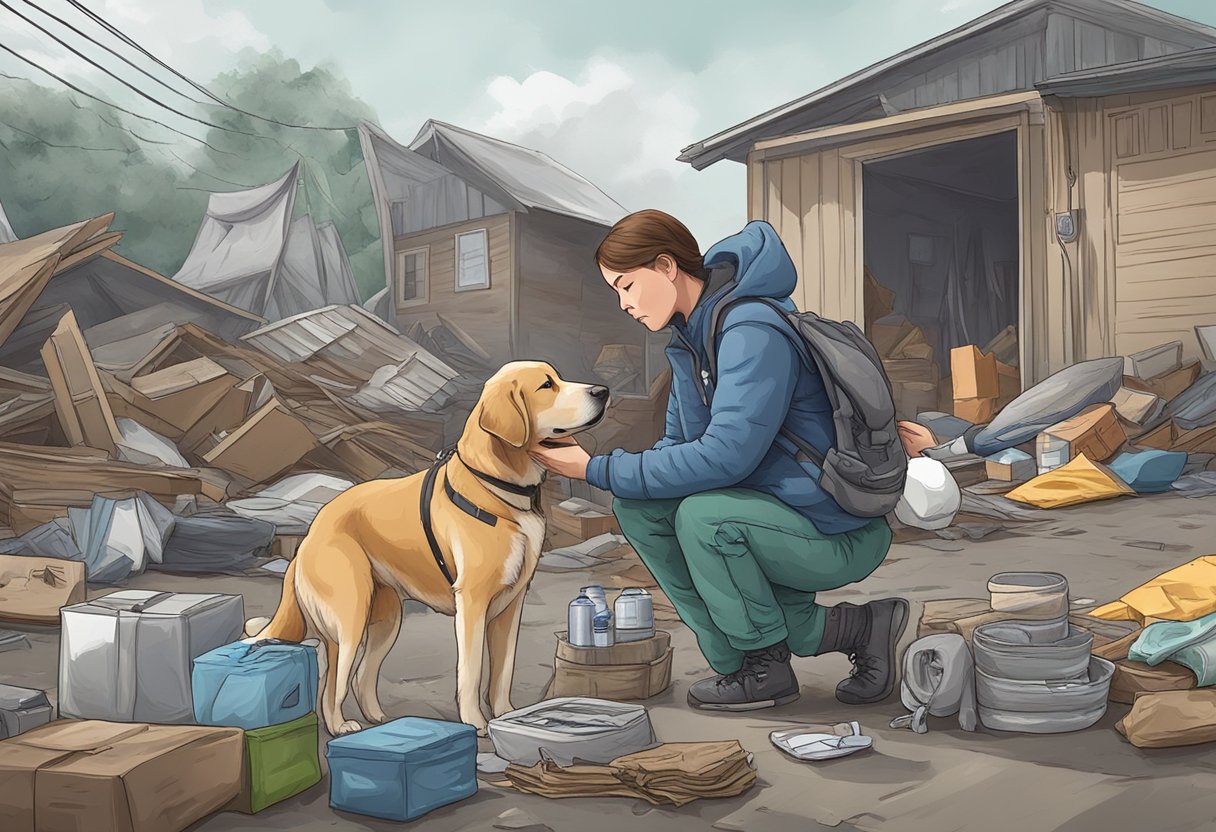
After an emergency, taking proper steps to ensure your pet’s well-being is crucial. You will need to focus on their physical health, monitor their condition at home, and provide emotional support to help them recover.
Post-Emergency Veterinary Care
Immediately after an emergency, schedule a visit with your veterinarian. Even if your pet seems fine, they may have hidden injuries or stress-related issues.
During the visit, discuss any signs of distress you noticed, such as changes in eating or drinking habits. Your vet may perform necessary tests or recommend treatments to aid in recovery.
Be prepared to follow any prescribed care routines, including medication or changes in diet. Ensure your pet’s vaccinations are up-to-date, as emergencies can sometimes expose them to diseases.
Home Care and Monitoring
Once you are back home, watch your pet closely and evaluate its behavior closely for signs of anxiety or discomfort.
Create a comfortable space where they can relax and feel safe. Offer fresh water and regular meals while maintaining a consistent routine.
Monitor your pet’s physical condition daily. Look for issues such as lethargy, limping, or unusual vocalizations. If you notice anything concerning, contact your veterinarian promptly.
Maintaining a calm atmosphere at home can also help your pet adjust. Limit loud noises and allow for quiet time.
Emotional Support for Traumatized Pets
Your pet may experience anxiety following an emergency. Recognizing their emotional state is crucial for their recovery.
Spend quality time with them to build trust. Gentle touch and soothing words can provide comfort. You might consider interactive toys or puzzles to distract them.
In some cases, consulting a pet behaviorist may be beneficial. They can offer tailored strategies for helping your pet cope.
If your pet’s anxiety persists, discuss options with your veterinarian. They may recommend anxiety medications or calming supplements to help ease their stress.
Training Your Pet for Emergencies
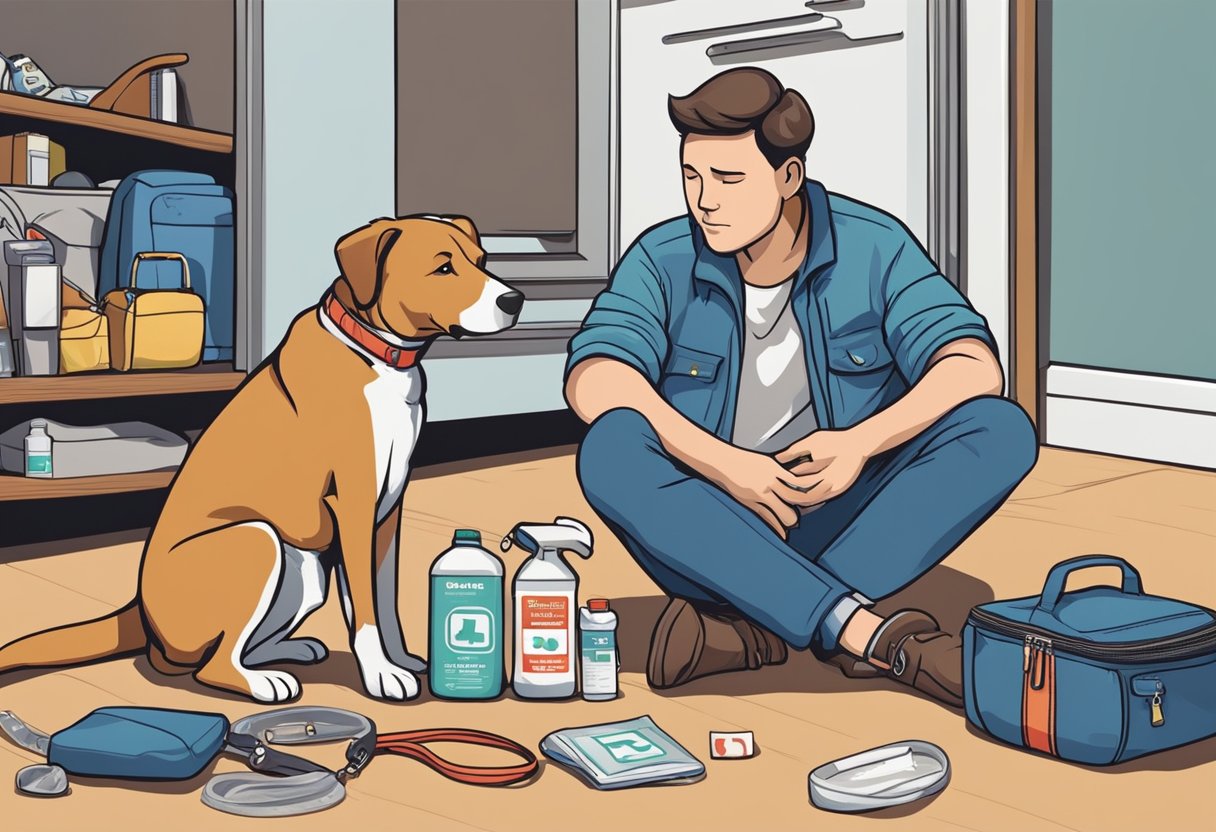
Being prepared for emergencies means training your pet to respond effectively. This involves teaching basic commands and practicing desensitization to various stressors. These skills can help keep your pet safe during unexpected situations.
Basic Commands and Safety Behaviors
Start by teaching your pet essential commands like “come,” “stay,” and “down.” These commands can help control your pet in high-stress situations. Use positive reinforcement to encourage correct responses.
Tips for training:
- Use high-value treats to motivate your pet.
- Keep training sessions short but frequent, around 5-10 minutes.
- Always practice in a quiet environment at first, gradually introducing distractions.
Teaching your pet to settle in a designated area can also be crucial. Use a mat or bed and reward them for staying there. This reinforces calm behavior and gives you a tool to manage your pet during emergencies.
Desensitization Techniques
Desensitization involves exposing your pet to situations they might face during an emergency. Start slowly and in controlled environments. For example, simulate loud noises like thunder or sirens. Gradually raise the volume while rewarding your pet for staying calm.
Steps to follow:
- Introduce the noise at a low volume.
- Reward your pet for relaxed behavior.
- Gradually increase the sound as your pet becomes comfortable.
You can also practice evacuation drills. Take your pet to the car or a designated safe spot. Reward them for entering calmly. This helps them associate these situations with positive experiences, making them less anxious when emergencies occur.
Emergency Resources and Contacts
In emergencies, having quick access to specific resources is crucial for your pet’s safety. Knowing where to find veterinary emergency services and pet emergency hotlines can make a big difference when time is of the essence.
Veterinary Emergency Services
Finding a nearby veterinary emergency service is essential for handling urgent health issues. These facilities specialize in providing care during off-hours or emergencies. Most veterinary clinics have a list of nearby emergency services, so ask them for recommendations.
Things to note:
- Location: Ensure you know the addresses and contact numbers of 24/7 facilities.
- Services Offered: Not all clinics offer the same services. Check if they handle your pet’s specific needs.
- Payment Options: Understand what types of payment they accept, including insurance.
Keep an updated list of veterinary emergency services stored in your phone or printed and accessible at home.
Pet Emergency Hotlines

Pet emergency hotlines can offer immediate advice during a crisis. These hotlines are staffed by experts who can guide you through various situations.
Some significant numbers to remember include:
- ASPCA Poison Control: 1-888-426-4435
- Pet Poison Hotline: 1-855-764-7661
-
24/7 emergency & urgent pet care: Washington, DC
Call & speak with a doctor202-335-5057 – Veg Georgetown
202.851.9155 – Veg H Street
These resources can provide vital information about your pet’s condition and advise you on seeking veterinary care immediately. Save these numbers in your contacts for easy access during emergencies.
Legal Considerations and Responsibilities
Every pet owner must be aware of pet ownership’s legal aspects. Your responsibilities go beyond caring for your animal. Knowing the laws and insurance options can help protect you and your pet during emergencies.
Understanding Pet Ownership Laws
Pet ownership laws vary by state and locality. It would be best to familiarize yourself with your area’s regulations. Common laws include licensing requirements, leash laws, and regulations regarding pet waste disposal.
Many regions have specific rules regarding pet breeds, particularly for dangerous breeds. Be aware of any potential restrictions or requirements for housing certain types of pets.
In addition, some places have regulations that require pet owners to provide adequate care. This includes proper food, water, shelter, and medical attention. Failure to comply with these laws can result in fines or legal action.
Liabilities and Insurance for Pet Owners
Understanding your liabilities as a pet owner is essential. If your pet causes injury or damage, you could be held responsible. This includes injuries to other pets or people.
To protect yourself, consider obtaining pet liability insurance. This insurance can cover costs related to injuries or damages your pet may cause. Many standard homeowner’s insurance policies also include pet liability coverage. Check with your insurance provider to understand your options.
Having appropriate insurance can ease the financial burden in the event of an incident. It’s advisable to read the policy details carefully and ensure it covers various scenarios, including emergencies.
Conclusion
Being prepared for emergencies with pets is vital. You have the power to keep your furry friends safe during crises.
Start by creating an emergency plan. Know where to go and how to evacuate your pets. Having a designated safe place can make all the difference.
Gather essential supplies in advance. Pack items like:
- Food and water: Enough for several days.
- Medications: Extra doses for your pets.
- Comfort items: Toys or blankets to ease stress.
Include your pet in your family emergency plan, and remember their vaccination records and identification.
Practice your plan regularly so everyone knows what to do. This preparation helps reduce panic during real situations.
Stay informed about potential risks in your area. Understanding what could happen allows you to prepare better. Each step you take enhances your and your pets’ safety.
A Call to Action
Being prepared for pet emergencies and natural disasters is essential. You need to take steps now to ensure your pet’s safety.
Create an Emergency Plan
- Identify Safe Locations: Know where to take your pets during a disaster.
- Gather Supplies: Assemble a pet emergency kit. Include food, water, leashes, and medical supplies.
- Identify Helpers: Establish a buddy system with friends or neighbors who can help if you are unavailable.
Stay Informed
Understand the types of disasters that could happen in your area. Keep current information about local shelters that accept pets. Many public shelters may not allow animals.
Practice Your Plan
Rehearse your emergency plans with your pet. This can help reduce stress during an actual emergency.
Microchip Your Pet
Consider microchipping your pets. This increases the chances of reunification if you become separated.
Stay Calm
In emergencies, your pet can sense your emotions. Remaining calm helps them stay calm.
Act now to protect your furry family members. Your preparation can make a difference in keeping them safe and secure.

Elizabeth Redd has been in Washington, D. C. since 1970. Welcome to "Pooch Wellness Path," your trusted guide to enhancing the well-being of your cherished furry friends. At the heart of our community lies a commitment to holistic wellness, combining comprehensive care with unconditional love.
We're here to offer you the latest nutrition, fitness, mental health, and preventive measures, lighting the way to peak health for your pet. Dive into our thriving network of dog lovers, where the happiness of our companions takes center stage.
We're all about sharing groundbreaking wellness tips and nurturing an environment where every dog thrives. Step into Pooch Wellness Path, where each joyful bark and wag is a testament to thriving health.