
Is Your Dog Suffering? Try These Effective Home Treatments for Swollen Anus
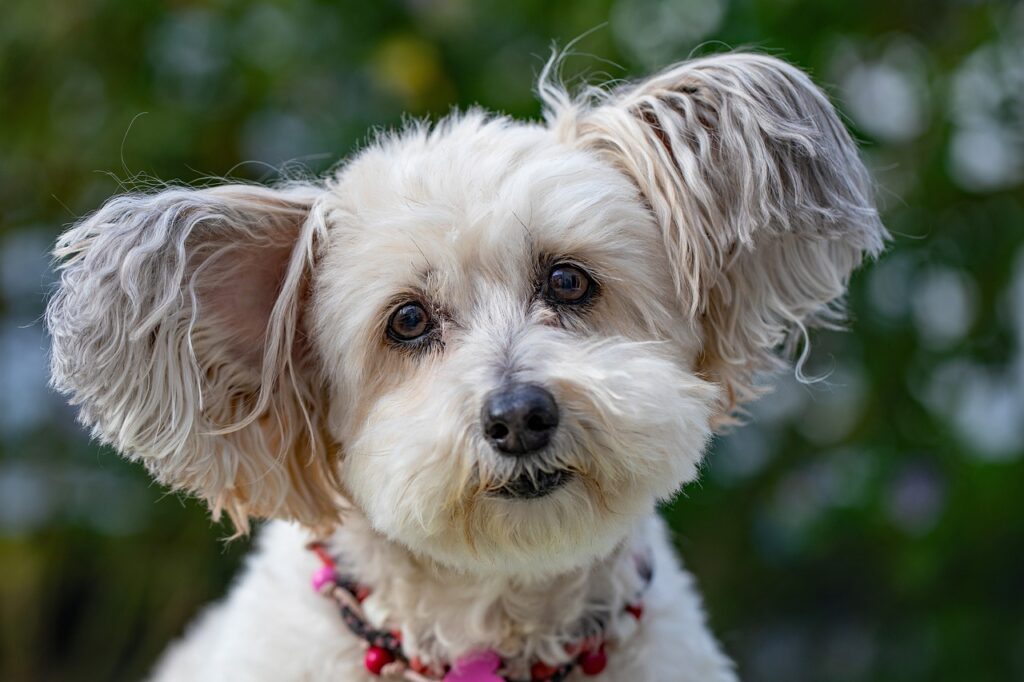
Is your dog dealing with a swollen rear end? Don’t worry, you’re not alone. Many pet owners face this issue with their furry friends. A swollen anus in dogs can be uncomfortable and concerning, but there are ways to help at home.
You can try several home remedies to ease your dog’s discomfort, including warm salt baths, gentle compresses, and dietary changes. These simple treatments can often provide relief for mild cases of anal swelling. Warm salt baths can be incredibly soothing for your pup.
Remember that while home treatments can be helpful, they’re not always enough. If you notice ongoing swelling or strong odors, or your dog looks pretty uncomfortable, it’s best to check with your vet. They can rule out more serious issues and give you tailored advice for your furry friend’s needs.
Understanding the Causes of Swollen Anus in Dogs
A swollen anus in dogs can have various causes. Some common culprits include irritants, infections, allergies, and other health issues. Knowing what’s behind the swelling can help you treat it appropriately.
Common Irritants and Infections
Your dog’s swollen anus might be due to something simple like irritation from scooting. When dogs drag their bottoms on the floor, it can cause redness and swelling. Infections are another frequent cause. Bacteria or yeast can grow in the anal area, leading to inflammation.
Parasites like worms can also irritate your pup’s rear end. If you notice your dog licking excessively or scooting often, check for tiny worms in their poop.
Sometimes, the problem lies with your dog’s anal glands. These tiny sacs can get clogged or infected, causing swelling and discomfort. Your dog might need help expressing these glands to relieve the pressure.
Allergies and Underlying Health Conditions
Allergies can affect your dog’s skin all over, including around the anus. Food allergies are a common culprit. If you’ve recently changed your dog’s diet, this could be the cause. Environmental allergies to pollen or grass can also lead to irritation and swelling.
Some health conditions can cause anal swelling too. Tumors, while rare, can develop in this area. Hormonal imbalances might also play a role. If your dog has diabetes or thyroid issues, these could contribute to skin problems, including around the anus.
In older dogs, weakened muscles around the anus can lead to hernias. This can cause swelling and discomfort. If you notice any unusual lumps or persistent swelling, it’s best to consult your vet.
Immediate Actions and Home Remedies
When your dog has a swollen anus, you can take some steps at home to help ease their discomfort. These methods can provide quick relief and promote healing.
Cleaning and Disinfecting the Area
Start by gently cleaning your dog’s anal area. Use warm water and a soft cloth or cotton ball. Avoid harsh soaps or chemicals that might irritate the skin. Pat the area dry with a clean towel.
You can make a mild cleaning solution by mixing a small amount of pet-safe antiseptic with warm water. This helps kill bacteria and reduce infection risk.
Be gentle when cleaning. Your dog might feel uncomfortable, so speak softly and offer treats to calm them.
After cleaning, apply a pet-safe antibiotic ointment to help prevent infection. Make sure your dog doesn’t lick the area afterward.
Applying Warm Compresses
Warm compresses can help reduce swelling and provide comfort to your dog. Here’s how to do it:
- Soak a clean cloth in warm (not hot) water.
- Wring out excess water.
- Hold the compress against your dog’s anal area for 5-10 minutes.
- Repeat this process 3-4 times a day.
The warmth helps improve blood flow to the area, speeding up healing. It also soothes any pain or discomfort your dog might be feeling.
Add a few drops of chamomile or calendula to the warm water. These herbs have natural anti-inflammatory properties.
Creating a Soothing Sit Bath
A sit bath, also known as a sitz bath, can provide extended relief for your dog’s swollen anus. Here’s how to prepare one:
- Fill a shallow tub or basin with warm water.
- Add one tablespoon of Epsom salt per quart of water.
- Gently place your dog in the bath, ensuring their rear end is submerged.
- Keep them in the bath for 5-10 minutes.
You can do this 2-3 times a day. The Epsom salt helps reduce swelling and soothes irritation.
For added benefits, you can include witch hazel in the bath water. It has natural astringent properties that can help shrink swollen tissue.
After the bath, gently pat your dog’s rear end dry with a soft towel. Don’t rub, as this might cause further irritation.
When to Consult a Veterinarian
Some symptoms of a swollen anus in dogs need quick medical attention. You should know when home treatments aren’t enough, and it’s time to see the vet.
Identifying Serious Symptoms
Watch for signs that your dog’s condition is getting worse. If you see blood in your dog’s stool, it’s time to call the vet. Pus or a foul smell from the anal area are also red flags.
Keep an eye on your dog’s behavior. Is your pet having trouble pooping? Are they scooting a lot on the ground? This could mean the problem is more serious.
Look for signs of pain. It might hurt if your dog yelps or seems extra grumpy when you touch its tail. Vomiting or not eating can also mean it’s time for a vet visit.
Understanding Potential Complications
A swollen anus can lead to more significant issues if not treated right. Anal gland infections can happen if the swelling doesn’t go down. These can be very painful for your dog.
Sometimes, a swollen anus can be a sign of something more serious. It could mean:
- Tumors
- Allergies
- Parasites
- Hormone problems
If left untreated, these can affect your dog’s overall health. The swelling might spread to other areas, making the problem worse.
You know your dog best. If you feel something isn’t right, it’s better to be safe. A quick vet check can give you peace of mind and help your furry friend feel better faster.
Preventative Measures and Ongoing Care
Taking steps to prevent anal swelling in dogs is key. Simple diet, grooming, and exercise changes can greatly affect your dog’s health.
Dietary Adjustments and Proper Hydration
Feed your dog a balanced diet with enough fiber. This helps keep their stools soft and easy to pass. For extra fiber, add some canned pumpkin to their food.
Make sure your dog drinks plenty of water. Put out fresh water daily and clean their bowl often.
Avoid giving your dog table scraps or fatty foods. These can upset their stomach and lead to anal problems.
If your dog has food allergies, work with your vet to find the proper diet. Some dogs do better on grain-free or limited-ingredient foods.
Regular Grooming and Exercise
Brush your dog often to remove loose fur. This keeps hair from getting stuck around the rear end.
Trim the fur around your dog’s bottom to keep the area clean. Be careful not to cut too close to the skin.
Give your dog daily exercise. Regular walks and playtime help them stay at a healthy weight. This reduces pressure on their anal area.
Check your dog’s rear end during grooming sessions. Look for any signs of swelling or irritation. Catch problems early before they get worse.
Keep your dog’s anal glands healthy by having them checked regularly. Your vet can teach you how to express them at home if needed.

Elizabeth Redd has been in Washington, D. C. since 1970. Welcome to "Pooch Wellness Path," your trusted guide to enhancing the well-being of your cherished furry friends. At the heart of our community lies a commitment to holistic wellness, combining comprehensive care with unconditional love.
We're here to offer you the latest nutrition, fitness, mental health, and preventive measures, lighting the way to peak health for your pet. Dive into our thriving network of dog lovers, where the happiness of our companions takes center stage.
We're all about sharing groundbreaking wellness tips and nurturing an environment where every dog thrives. Step into Pooch Wellness Path, where each joyful bark and wag is a testament to thriving health.

