Is Your Dog at Risk? – Breeds Most Affected by This Illness

A new illness is affecting dogs across the USA, causing concern among pet owners. This unexpected outbreak has been seen in various regions, and many wonder if their furry friends are at risk. If your dog has been experiencing unusual symptoms, it’s crucial to stay informed and take action to protect their health.

Veterinarians have noticed a rise in cases of this illness, and they are working hard to understand its cause and how it spreads. The signs can vary, but common symptoms include lethargy, loss of appetite, and digestive issues. Keeping a close eye on your pet and seeking prompt veterinary care can make a significant difference.
Preventing the illness involves some straightforward steps. Keys are ensuring your dog has a balanced diet, regular exercise, and avoiding contact with infected animals. Knowing what to look for and acting quickly can help keep your dog safe and healthy.
Key Takeaways
- A new illness is affecting dogs in the USA.
- Common symptoms include lethargy and digestive issues.
- Preventive steps are essential to protect your pet.
What Is the Illness?

This new illness affecting dogs across the USA has some worrying symptoms and spreads relatively fast. Understanding what to look for and how it spreads can help protect your furry friend.
Identifying Symptoms
Dogs with this illness often start showing signs of fatigue.
They may become less active and show less interest in play.
Some dogs might also lose their appetite, eating much less than usual.
Another common issue is a persistent cough, which can worsen over time.
Vomiting and diarrhea are also noticeable symptoms, which can lead to dehydration if not treated quickly.
If your dog displays these signs, it is crucial to seek veterinary care promptly. Early detection and treatment can help manage the illness more effectively.
Causes and Transmission
This illness primarily spreads through direct contact with infected dogs.
It can also spread via shared items like water bowls, toys, or bedding.
The risk of transmission is higher in crowded places like dog parks or kennels.
This is due to the proximity of many dogs.
Airborne particles from sneezing or coughing can also carry the illness, making it easier to spread.
Understanding these ways of transmission helps you take the necessary precautions. Regularly disinfecting your dog’s belongings and avoiding high-risk areas can reduce the likelihood of your dog catching the illness.
Geographical Spread

The recent dog illness has appeared in various parts of the United States. Certain regions are seeing more cases, and efforts are underway to track and contain the outbreak.
Regions Most Affected
The Midwest, including Ohio, Illinois, and Michigan, has reported many cases. Veterinary clinics are seeing a rise in dogs showing symptoms of this mysterious illness.
In the Northeast, particularly New York and New Jersey, many pet owners have noticed similar symptoms in their dogs. Local authorities advise pet owners to take extra precautions when walking their dogs or visiting parks.
The West Coast is not immune, with California and Washington state reporting instances. Pet owners are becoming more vigilant, especially in urban areas where dog parks are crowded.
Tracking the Outbreak
Veterinarians and researchers are working together to track the spread of this illness. They use tools like GPS tracking and health records to map out where cases are emerging.
Public health officials are also collecting data from pet owners. If your dog shows symptoms, reporting this to your vet can help track the disease.
Awareness campaigns are running to inform dog owners. Flyers, social media posts, and community meetings aim to keep you informed about how to protect your furry friend.
Prevention Strategies

Keeping your dog healthy during this illness outbreak requires attention to vaccination, treatment options, and specific safety measures. These steps can help protect your furry friend from potential risks.
Vaccination and Treatment Options
Vaccinations are your first line of defense. Talk to your vet about the latest vaccines available to prevent this illness. Some vaccines might need boosters, so ensure your pet’s vaccination schedule is current.
If your dog shows symptoms, seek veterinary care immediately. Early detection can make treatment more effective. Your vet might prescribe medications, so follow their instructions carefully.
It’s also essential to maintain a regular check-up routine. Regular visits help catch any health issues early, making treatment more straightforward and successful.
Safety Measures for Pet Owners
Keep your dog away from areas known to have outbreaks. Avoid dog parks and other places where many dogs gather.
Use proper hygiene practices, such as washing your hands after petting your dog and cleaning their toys regularly. This reduces the chance of spreading germs.
Watch for any unusual behavior in your dog. Take it to the vet if it seems off, tired, or sick.
Sanitizing bedding and flooring often can keep your dog’s living area clean, significantly reducing the risk of illness spreading in your home.
By following these steps, you can help ensure the health and safety of your beloved pet.
Impact on Canine Health

The illness affecting dogs across the USA has short-term and potential long-term effects. Understanding these impacts is crucial to keeping your furry friend healthy.
Short-Term Effects
Dogs experiencing this illness may show symptoms such as coughing, sneezing, and a runny nose. These are similar to cold symptoms in humans but can escalate quickly.
Other common signs include loss of appetite, lethargy, and fever. Your dog might also experience vomiting or diarrhea, making it weak and dehydrated.
It’s essential to monitor your dog’s behavior closely. Immediate veterinary care can help manage these symptoms effectively and prevent the illness from worsening.
Potential Long-Term Complications
If not treated timely, your dog could face serious long-term health issues. Chronic respiratory problems are possible, leading to difficulty breathing and reduced stamina.
Some dogs might develop lasting digestive problems. These could include persistent vomiting or diarrhea, affecting their nutrition and energy levels.
In severe cases, your dog could suffer from organ damage. The immune system might also weaken, making your pet susceptible to other infections. Regular check-ups and prompt treatment are vital.
Advisories and Resources
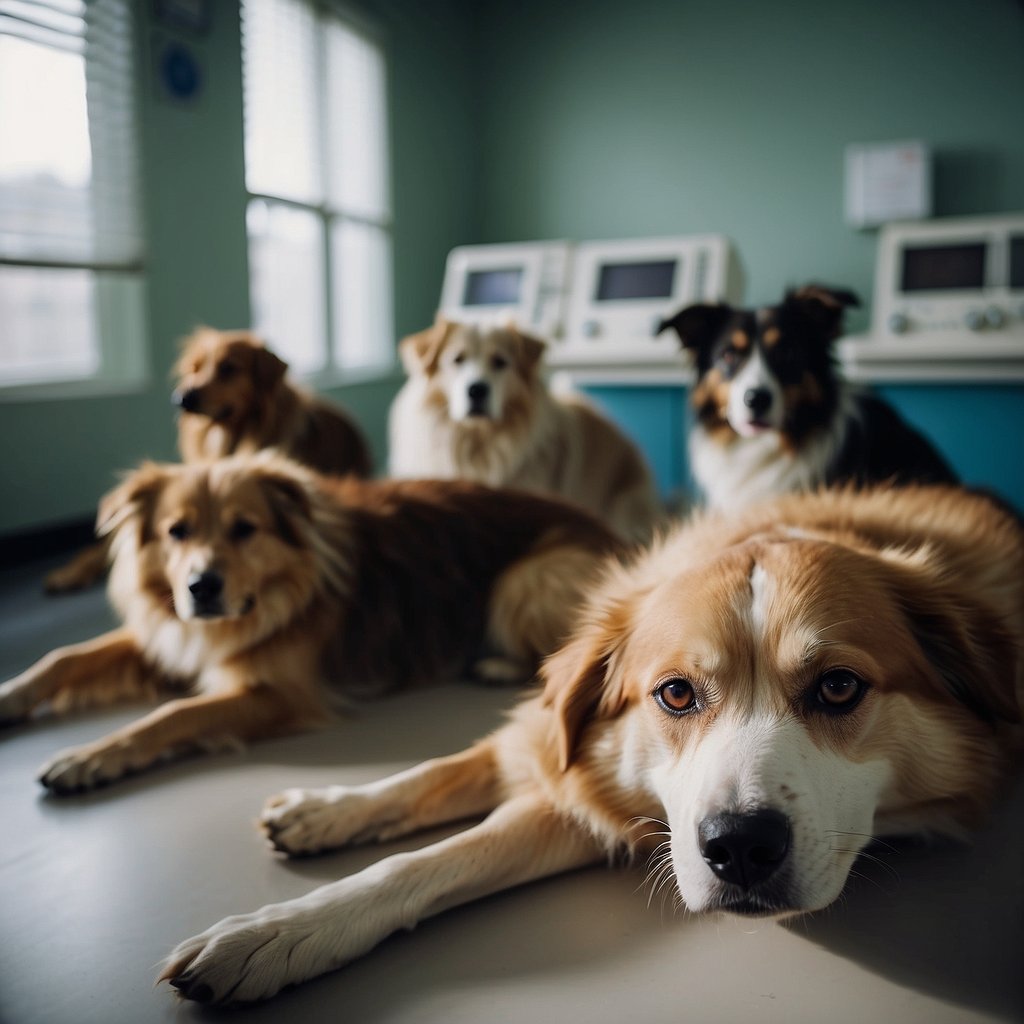
Knowing how to respond quickly and effectively is crucial when your dog shows signs of illness. Here, you will find recommendations from veterinarians and support networks to help your pet through these challenging times.
Veterinarian Recommendations
If you notice any unusual behavior or symptoms in your dog, visit your veterinarian. They can offer a diagnosis and provide a treatment plan. Typical recommendations include monitoring your dog’s diet and hydration levels. Regular check-ups every six months can help catch issues early.
Vets often suggest vaccines and preventive medications to help protect against diseases. Emergency contact information for your local vet or a 24-hour pet hospital is also essential. During these visits, always be ready to discuss concerns about your dog’s health.
Support Networks for Affected Dogs
Support networks play a vital role when you have a sick pet. Online forums and social media groups can connect you with other pet owners dealing with similar issues. These communities offer emotional support and practical advice. For example, you might learn about effective home remedies or get recommendations for local pet services.
Additionally, non-profit organizations provide resources such as financial assistance for medical treatments and access to specialized care. Look for groups focusing on your dog’s illness, providing targeted support and valuable information.
How to Recognize Emergencies
Recognizing when your dog needs emergency care can save their life. Look out for changes in behavior, breathing difficulties, and visible injuries, among other signs.
When to Visit an Emergency Clinic
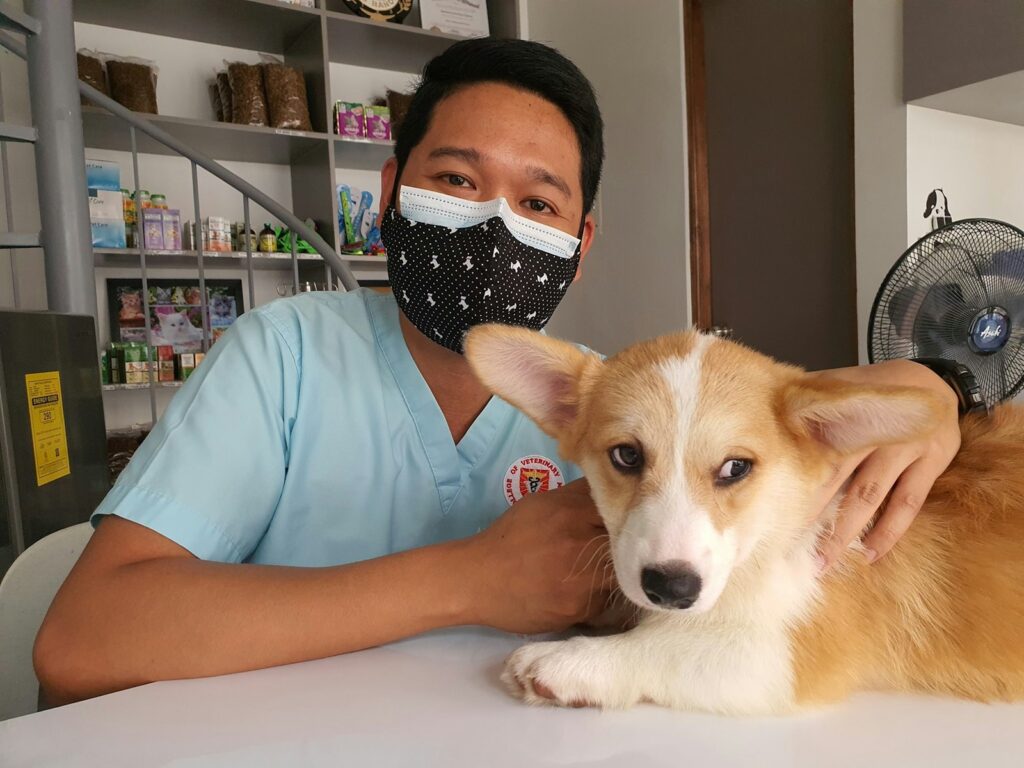
If your dog shows trouble breathing, such as wheezing or heavy panting, get them to an emergency clinic quickly. Breathing issues can be life-threatening.
Another sign is severe vomiting or diarrhea. If it happens more than once or contains blood, seek immediate help. These symptoms can lead to dehydration and other serious problems.
Injury is another concern. Broken bones or deep cuts need prompt attention to prevent infections and manage pain.
Lastly, watch for lethargy or unresponsiveness. If your dog is fragile or doesn’t respond to your voice, check them out immediately.
When to Seek Immediate Veterinary Care
Identifying when your dog is experiencing a medical emergency can be life-saving. If you observe any of the following symptoms, it’s essential to get your pet to a veterinarian without delay:
- Difficulty Breathing: Labored or rapid breathing, rasping, panting, pale gums, or a blue/purple tongue can indicate serious respiratory issues or oxygen deprivation.
- Swollen or Bloated Abdomen: A distended stomach, with or without vomiting, could signal gastric torsion (bloat) or internal bleeding, requiring urgent attention.
- Inability or Straining to Urinate or Defecate: Difficulty or distress when trying to urinate or defecate might point to a blockage or severe infection, which can quickly become life-threatening.
Other critical symptoms to watch for include:
- Severe Pain or Anxiety: Whining, restlessness, or aggression can indicate severe discomfort or injury.
- Collapse or Unresponsiveness: Sudden collapse, fainting, or unresponsiveness is an apparent emergency.
- Seizures: Any seizure activity, significantly if prolonged or occurring in clusters.
- Severe Bleeding: Persistent bleeding from any body part, including the nose, mouth, or wounds.
- Ingestion of Toxic Substances: If you suspect your dog has ingested something toxic, such as certain plants, chemicals, or human medications.
Promptly recognizing and responding to these signs can significantly affect your dog’s health and recovery. Always err on caution and consult with your veterinarian if you’re unsure.
Cases and Recovery Stories
Your dog might seem fine one day and unwell the next. Stories from across the USA highlight how this illness impacts our furry friends.
Case 1: Max’s Sudden Illness
Max, a five-year-old Labrador, suddenly refused to eat. His owner noticed lethargy and weight loss. Tests showed a bacterial infection—treatment involved antibiotics and a diet change. After a month, Max fully recovered.
Case 2: Bella’s Long Journey
Bella, a two-year-old Golden Retriever, was constantly vomiting. Her owner was distressed but didn’t lose hope. After several vet visits and medication trials, Bella started eating again and regained her energy over a few months.
Recovery Tips:
- Early Detection: Keep an eye on symptoms like loss of appetite, vomiting, or lethargy.
- Vet Visits: Regular check-ups can catch issues early.
- Proper Nutrition: Ensure your dog gets the right age and health status diet.
- Hydration: Always provide fresh water.
Case 3: Charlie’s Unexpected Battle
Charlie, a three-year-old Poodle, developed rashes and a fever. Diagnostic tests confirmed an autoimmune disorder. With specialized care and medications, Charlie’s condition stabilized, and he returned to his playful self within a year.
Reading these stories, you realize the importance of vigilance. Your quick action and love can significantly impact your pet’s well-being. Treat even minor symptoms seriously, as early treatment often improves outcomes.
Conclusion
You want your furry friend to live a long, happy, and healthy life.
Keeping an eye on any signs of illness is vital.
The mysterious dog illness spreading across the USA has worried pet owners everywhere.
It’s essential to be aware of the symptoms. Some of these can include:
- Lethargy
- Loss of appetite
- Coughing or difficulty breathing
- Digestive issues
If you notice any of these signs, consult your veterinarian promptly. Early detection and treatment can make a big difference.
Ensuring your dog is vaccinated and gets regular check-ups helps keep them safe.
Stay informed and connected with other pet owners. Sharing information can help spot trends or emerging health issues quickly.
Looking after your dog’s overall well-being is crucial. Keep up with their nutrition, exercise, and mental stimulation.
Remember always to show your furry friend love and care. Small changes in their behavior or health can indicate something more significant, so stay alert.
You and your vet make the best team for your pet’s health. You can navigate this surprising illness and keep your dog happy and active.
A Call to Action
Your dog’s health is essential. If you notice any signs of illness, take action immediately.
Steps You Can Take:
- Monitor Symptoms: Look for coughing, lethargy, or loss of appetite.
- Consult Your Vet: Schedule a check-up if you see anything unusual.
- Stay Informed: Keep up with news about dog illnesses in your area.
Spread the Word
Talk to other pet owners and use social media to share information. The more people know, the better we can protect our pets.
Healthy Habits:
- Wash Hands: Before and after touching dogs.
- Clean Spaces: Regularly clean your dog’s living area.
- Vaccinate: Ensure your dog’s vaccinations are up to date.
Emergency Kit:
Include things like:
- Doggy first-aid supplies.
- Contact information for your vet.
- A list of symptoms to watch for.
Your actions can make a difference. Taking these steps can help keep your furry friend safe and healthy.
First Aid for Dogs: An invaluable guide for all dog lovers
Immediate and appropriate first aid treatment in a medical emergency can significantly reduce the pain and suffering experienced by your pet and could save their life. Knowing how to help in those first vital minutes before you can get to the vet is vital, and choosing to read this book could be one of the most important decisions you can make—this guide is for all dog lovers. First Aid for Dogs will explain how to help your pet or any other dog should an accident happen. By Emma Hammett RGN (Author)

Elizabeth Redd has been in Washington, D. C. since 1970. Welcome to "Pooch Wellness Path," your trusted guide to enhancing the well-being of your cherished furry friends. At the heart of our community lies a commitment to holistic wellness, combining comprehensive care with unconditional love.
We're here to offer you the latest nutrition, fitness, mental health, and preventive measures, lighting the way to peak health for your pet. Dive into our thriving network of dog lovers, where the happiness of our companions takes center stage.
We're all about sharing groundbreaking wellness tips and nurturing an environment where every dog thrives. Step into Pooch Wellness Path, where each joyful bark and wag is a testament to thriving health.