What Makes Dogs Over-Excited? Solve the Mystery of Persistent Scratching and Biting!

Is your dog constantly scratching and biting himself? This behavior can be frustrating and even more troubling for your furry friend. The most common reasons for this discomfort are dry skin, allergies, or parasites. Addressing these issues promptly ensures your dog’s comfort and health.
Understanding why your dog is so itchy involves considering several factors. It can be as simple as dry skin caused by environmental conditions, or it might be due to more complex problems like allergies or infections. Your pet’s diet and nutrition also play a significant role in their skin health, as deficiencies in essential nutrients can cause them to scratch and bite excessively.
Sometimes, the cause of constant scratching and biting can be linked to behavioral factors or underlying medical conditions. Ensuring your dog is examined by a vet is crucial to diagnosing and treating the root cause. By taking these steps, you can help your dog live a happier, itch-free life.
Key Takeaways
- Excessive scratching and biting are often due to dry skin, allergies, or parasites.
- Factors like diet, behavioral issues, or infections can also contribute to these behaviors.
- Visiting a vet is necessary to diagnose and treat the underlying cause accurately.
Understanding Dog Skin Health
Taking care of your dog’s skin is important for its overall well-being. This guide will help you keep your furry friend healthy and happy by explaining the basics of canine skin and identifying common issues.
The Basics of Canine Dermatology
A dog’s skin is its largest organ. It protects against the environment, helps regulate temperature, and stores essential nutrients. The skin has several layers: the epidermis (outer layer), dermis (middle layer), and subcutaneous layer (inner layer). Each layer has specific functions that are vital for your dog’s health.
Sebaceous glands in the skin produce oils that keep it hydrated and protect against infections. Hair follicles, found in the dermis, contribute to the health of the coat. Blood vessels and nerves in the skin provide nourishment and sensation.
Healthy dog skin should be smooth and free of redness, sores, or bumps. Regular grooming, proper diet, and adequate hydration are crucial to skin health. If you notice any changes in your dog’s skin, consult your veterinarian.
Common Skin Issues in Dogs
Dogs can experience various skin issues, such as dry skin, allergies, and infections. Environmental conditions, poor diet, or lack of hydration often cause dry skin. Symptoms include itching, flaking, and redness.
Allergies are another common issue. Dogs can be allergic to food, pollen, or flea bites, leading to itching, swelling, and even hair loss. Identifying and managing the allergens can help alleviate these symptoms.
Infections caused by bacteria or fungi can lead to redness, swelling, and discharge. Parasitic infections, like fleas and mites, can cause intense itching and discomfort. Regular check-ups and prompt treatment are essential to prevent these problems from worsening.
You can visit Compulsive Licking, Biting, Scratching in Dogs, and other informative sites for more in-depth information about these issues.
Identifying the Symptoms
It’s essential to notice the signs of excessive scratching and overexcitement in your dog. Recognizing these symptoms early can help ensure your dog gets the necessary care.
What Does Excessive Scratching Look Like?
Excessive scratching often means your dog may be uncomfortable or experiencing irritation. Signs include constant scratching, licking, or biting at the same area. Your dog might rub against furniture or the ground frequently.
Check for visible signs like redness, hair loss, or skin lesions. These symptoms can indicate underlying issues like dry skin, allergies, or parasites. If your dog is itching to the point of causing wounds, it’s essential to consult a vet.
Signs of Over-Excitement in Dogs
Over-excitement in dogs can manifest in various ways. Common signs include jumping, barking excessively, and running around frantically. Your dog might also have trouble calming down and responding to commands.
Other indicators are panting heavily even without physical activity and having dilated pupils. Sometimes, over-excitement can lead to destructive behaviors like chewing furniture or digging. Observing these symptoms can help you address the root cause and effectively manage your dog’s energy.
Top Causes of Itching and Biting
Your dog might be itching and biting due to skin infections. These can include yeast infections or bacterial infections that cause discomfort and irritation.
Another common cause is allergies. Your dog could be allergic to certain foods, pollen, dust, or flea bites. The dog’s body can overreact when exposed to these allergens, making it feel very itchy.
Parasites like fleas, ticks, and mites can be a huge problem. These pests can make your dog’s skin very itchy and sometimes lead to hair loss and redness. Regularly checking for and treating parasites is critical.
Dry skin can also scratch and bite your dog. This could be due to inadequate bathing, environmental factors, or a diet lacking essential nutrients such as omega fatty acids.
Your dog’s itchiness might also be related to contact dermatitis. This happens when your dog’s skin reacts to something it has touched, like certain shampoos, chemicals, or plants.
Having your dog checked by a veterinarian to determine the specific cause and get the proper treatment is a good idea. For more on these potential causes, you can visit this guide on dog pruritus.
Behavioral Factors
Your dog’s behavior might be tied to stress or anxiety, causing them to scratch and bite themselves. Boredom can also lead to these issues as dogs seek ways to entertain themselves.
Stress-Induced Behaviors
Dogs can exhibit excessive scratching and chewing due to stress. Loud noises, environmental changes, or separation anxiety could cause stress. When stressed, dogs may develop habits like licking or biting themselves. This is their way of coping with the anxiety they feel.
Consider what might trigger your dog’s stress if you notice this behavior. Look for changes in their routine, such as a new pet or family member, moving to a new home, or loud noises like fireworks. Canine stress can lead to significant discomfort and even skin injuries. Identifying and addressing these triggers is crucial to keeping your pup comfortable and happy.
Boredom and Anxiety
Dogs often scratch and bite themselves when they are bored or anxious. They look for ways to pass the time without enough physical exercise or mental stimulation, such as chewing their paws or scratching their skin.
Ensure your dog gets plenty of playtime and exercise. Interactive toys, regular walks, and mental challenges like puzzle feeders can help soothe a bored or anxious dog. Routine and structure also play an important role, giving dogs a sense of security.
If the behavior continues, it might be helpful to consult a veterinarian to rule out any medical causes and to get additional advice on managing anxiety in dogs.
Reading your dog’s body language and providing a stimulating environment can help reduce these behaviors and keep your furry friend content.
Diet and Nutrition
A dog’s diet can significantly impact their skin and coat health. Paying attention to food allergies and ensuring a balanced diet can help reduce itching and scratching.
Food Allergies and Sensitivities
Food allergies in dogs can cause severe itching and discomfort. Common allergens include beef, dairy, wheat, and chicken. Symptoms might include scratching, biting, or licking.
To identify food allergies, try an elimination diet. Remove suspected allergens and reintroduce them one at a time. Look for symptoms like redness, itching, and digestive issues.
Consider feeding hypoallergenic dog food. Ingredients such as lamb, rice, and fish are less likely to cause problems. It’s essential to consult your veterinarian before making significant changes to your dog’s diet.
Importance of Balanced Diet
A balanced diet is crucial for a dog’s overall health, including their skin. Nutritional deficiencies, like a lack of omega-3 and omega-6 fatty acids, can lead to dry, itchy skin.
Ensure your dog’s diet includes high-quality protein, healthy fats, and essential vitamins and minerals. Foods rich in omega-3 fatty acids, such as fish oil, can help maintain a healthy coat.
Avoid heavily processed foods with artificial additives and fillers. Opt for natural, wholesome ingredients to support your dog’s health. Regularly check food labels for quality and nutritional content.
Treatment Options
Several treatments can help when your dog scratches and bites excessively. Consider veterinary interventions, home remedies, and preventive measures tailored to your dog’s needs.
Veterinary Interventions
If your dog shows signs of extreme itchiness, consult a vet. Vets can prescribe medications like antihistamines or corticosteroids to relieve itching. They may also suggest allergy testing to identify specific allergens. Sometimes, antibiotics are needed to treat infections caused by excessive scratching.
In severe itching, your vet might recommend medicated shampoos or topical treatments. Regular check-ups and following prescribed treatment plans are essential for your dog’s recovery and comfort.
Home Remedies
You can provide relief at home using simple remedies. Oatmeal baths can soothe inflamed skin; coconut oil may help moisturize dry patches. Keeping your dog’s living area clean and vacuumed can reduce allergens that might trigger itching.
Another helpful tip is to ensure your dog has a balanced diet rich in omega-3 fatty acids. These supplements can improve skin health and reduce inflammation. Always consult your vet before trying new home remedies to ensure they are safe for your dog.
Preventive Measures
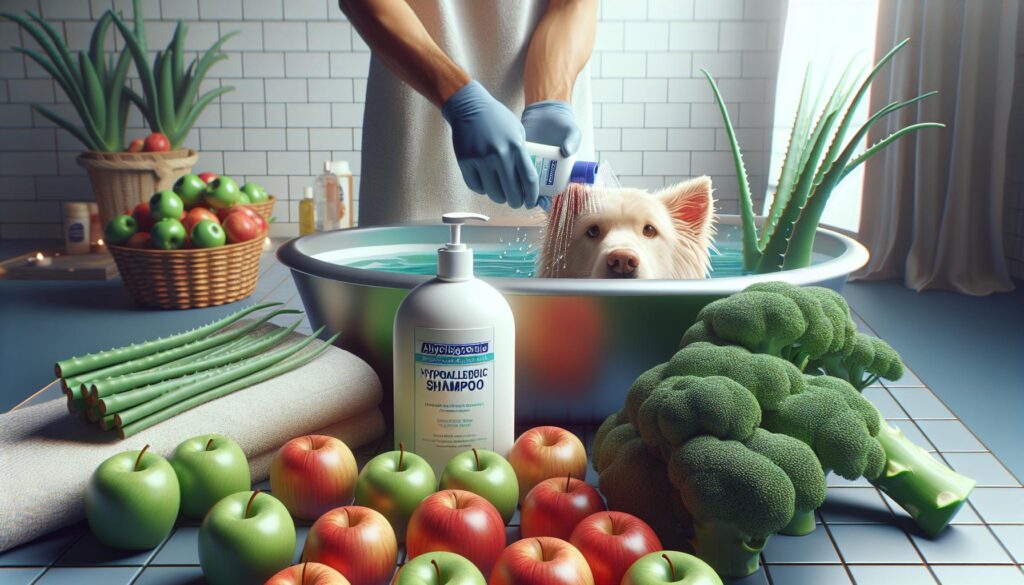
Preventive measures can keep your dog from getting itchy. Regular grooming, including bathing with hypoallergenic shampoo and brushing to remove dead hair, can reduce the chances of skin irritations.
Make sure your dog is on a consistent flea and tick prevention program. These parasites are common causes of itching that can be easily controlled. Monitoring your dog’s diet and avoiding foods that cause allergies is also essential.
Addressing the environment, diet, and grooming routine can prevent many causes of itching and keep your dog comfortable.
When to See a Vet
Knowing when to bring your dog to the vet is crucial for keeping them healthy and happy. It’s vital to spot emergencies and schedule routine check-ups.
Recognizing Emergencies
If your dog is scratching or biting frequently and you notice blood, swelling, or hair loss, these are signs you should see a vet right away. Severe itching can sometimes indicate infections or a serious allergic reaction.
Watch for behavioral changes, too. A vet visit is necessary if your dog becomes lethargic or stops eating. Continuous itching might be more than just a mild irritation; it could be a sign of a more critical health issue that needs prompt attention.
Don’t delay if you see sudden red patches or signs of pain. Immediate vet care can prevent further complications and help your dog feel better quickly.
Routine Check-Ups

Regular vet visits are crucial for spotting problems before they become serious. Vets recommend annual check-ups to ensure your dog is in good health. During these visits, your vet can check for skin issues, allergies, or early signs of disease.
It’s wise to mention any itching or biting, even occasionally. Your vet can suggest treatments or lifestyle changes to improve your dog’s comfort. Routine check-ups can help manage chronic conditions and keep your dog’s skin and coat healthy.
Regular visits help maintain a baseline of your dog’s health, making it easier to notice changes. Please keep track of vet appointments and follow their advice for a happy, healthy pup.
Maintaining Healthy Skin and Coat
Focusing on skin and coat care is crucial to keeping your dog happy and healthy. Healthy skin and a shiny coat help prevent itching and dryness, which can cause discomfort and overexcitement.
Regular Grooming Practices

Regular grooming is vital to maintaining your dog’s skin and coat. Brushing your dog’s fur helps remove dirt and loose hair, prevent matting, and promote good circulation. It can also distribute natural oils evenly, keeping the coat shiny and healthy.
Bathe your dog as needed with dog-friendly shampoo. Too frequent bathing can strip essential oils, leading to dry skin, so balance is important.
Check your dog’s skin and coat during grooming sessions. Look for signs of irritation, redness, or parasites like fleas and ticks. Early detection can help you address any issues promptly.
Suitable Dog Care Products
Using the right products can make a significant difference in maintaining healthy skin and coat. Choose shampoos and conditioners specifically formulated for dogs, avoiding human products that might irritate their skin.
Opt for products with natural ingredients like oatmeal or aloe vera, which can soothe and moisturize the skin. Hypoallergenic options can also be beneficial if your dog has sensitive skin.
Including supplements like omega-3 fatty acids in your dog’s diet can also improve coat health. These fatty acids promote a glossy coat and reduce skin inflammation.
Regular flea and tick prevention is essential. Products like spot-on treatments or medicated collars help protect your dog from these common pests.
Conclusion
Dealing with a dog that constantly scratches or bites can be challenging. It’s essential to figure out the cause of your dog’s discomfort.
You might need to change your diet to address food allergies. Common allergens include grains, chicken, dairy, or beef. Some dogs have sensitive stomachs, making them prone to reactions from certain foods.
Parasites like fleas and mites are another frequent cause. Regular check-ups with the vet can help keep these pests in check. Using veterinarian-recommended flea treatments can help.
Dry skin may also cause your dog to scratch. Environmental factors, inadequate bathing, or lack of essential nutrients like omega fatty acids can contribute to this. Make sure your dog’s skin stays moisturized with proper products and diet.
Consider these steps:
- Ensure balanced nutrition.
- Use vet-approved flea treatments.
- Keep your dog’s skin moisturized.
If your dog’s scratching is severe or accompanied by other symptoms, consult your vet. Addressing the issue early can prevent further discomfort and health problems. Stay attentive to your dog’s needs, and you’ll lead healthier, happier lives.
A Call to Action
If your dog is scratching and biting frequently, it’s time to act! By tackling the root of the problem, you can significantly improve your pet’s happiness.
1. Schedule a Vet Visit
Make an appointment with your vet to rule out conditions like allergies or infections. Early diagnosis is vital.
2. Check for Parasites
Fleas and ticks are common causes of itching. Regularly use flea and tick preventatives to keep your dog comfortable.
3. Improve Diet
Ensure your dog’s diet includes essential nutrients like omega fatty acids. These can help improve skin health and reduce dryness.
| Essential Nutrients | Source |
|---|---|
| Omega Fatty Acids | Fish Oil, Flax |
| Vitamins A and E | Carrots, Spinach |
| Zinc | Meat, Nuts |
4. Regular Grooming
Brush your dog’s coat frequently to remove loose hair and dirt. This can help prevent skin irritation and promote healthy skin.
You can use a soft-bristle brush for short-haired dogs or a slicker brush for long-haired dogs. Bathing should be consistent but not overly frequent, using a shampoo suited for your dog’s skin type.
If your dog continues to itch and scratch despite these efforts, consult your vet for specialized advice. Your dog’s comfort depends on your actions!

Elizabeth Redd has been in Washington, D. C. since 1970. Welcome to "Pooch Wellness Path," your trusted guide to enhancing the well-being of your cherished furry friends. At the heart of our community lies a commitment to holistic wellness, combining comprehensive care with unconditional love.
We're here to offer you the latest nutrition, fitness, mental health, and preventive measures, lighting the way to peak health for your pet. Dive into our thriving network of dog lovers, where the happiness of our companions takes center stage.
We're all about sharing groundbreaking wellness tips and nurturing an environment where every dog thrives. Step into Pooch Wellness Path, where each joyful bark and wag is a testament to thriving health.